


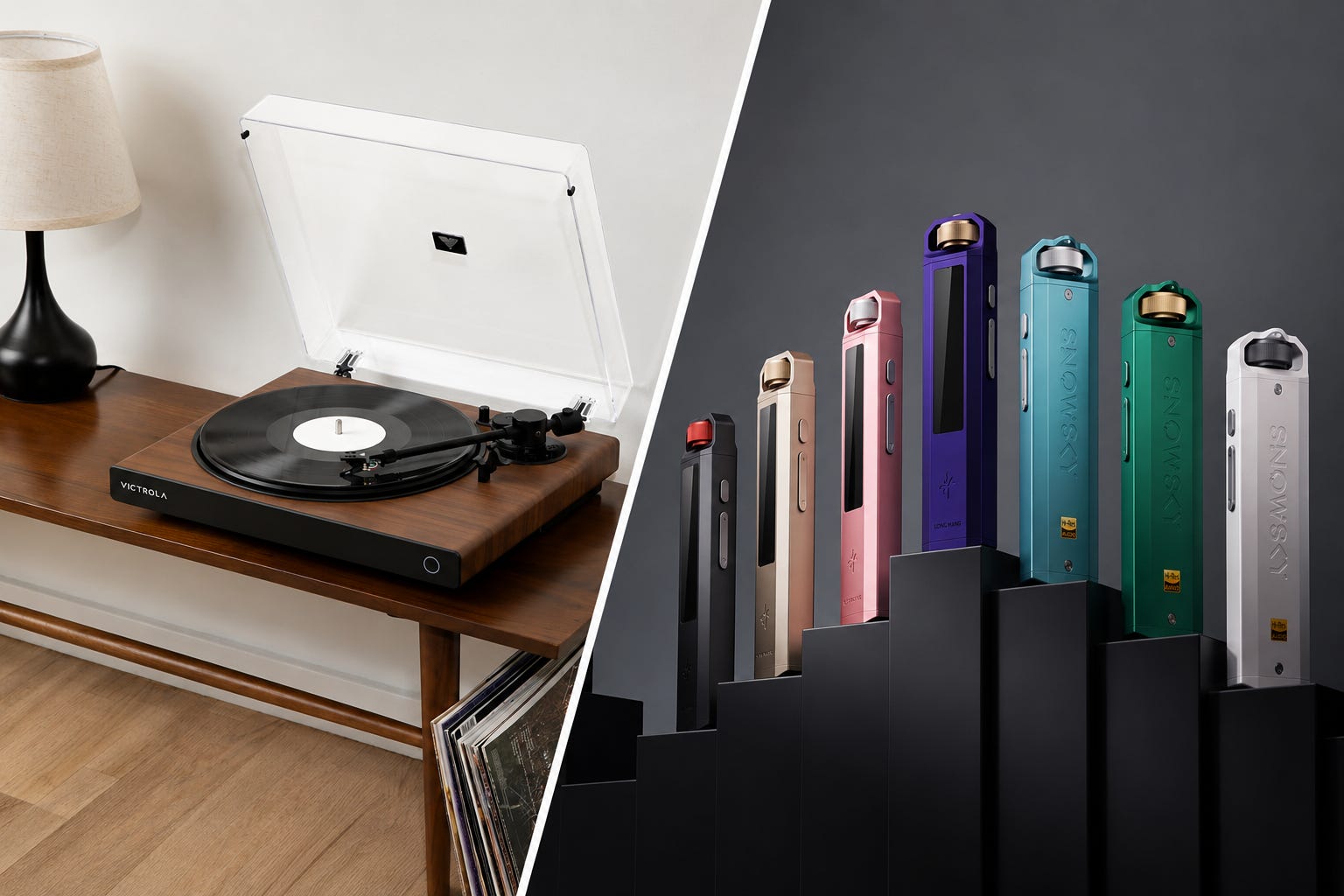
The vinyl resurgence shows no signs of slowing, and it’s been joined by a related trend: Renewed interest in vintage standalone digital players like the iconic iPod.
For purists seeking the most authentic experience, the paths are clear.
Records must be played on turntables connected to amplifiers. And listening to them can only be done via wired speakers or headphones -- an unbroken, all-analog chain. Extra points for using a vintage amp and speakers!
The vintage MP3 route is even stricter. Only an original iPod will do, preferably paired with its matching white earbuds. Rip your CDs, transfer them to your iPod via iTunes (or Apple Music, if you must).
Disclosure: If you buy through links on this page, I may earn a small commission at no extra cost to you. As an Amazon Associate, I earn from qualifying purchases.
In both of these situations, nostalgia and vibes are the main drivers. Some will say that it’s about the sound, and hey, if you think they sound better, I’m not going to argue. I mean, I could, but I won’t. Regardless, these setups are not intended to marry the old with the new — in fact, it’s the exact opposite. It’s old for old’s sake.
But what if you’re not ready to invest money in a standalone, intentionally old-school rig, and yet you still want to participate in the vinyl and MP3 player trend?
This week, two companies — coincidentally pitched by the same PR team — caught my attention for the way their products thread that exact needle: Victrola and Fiio.
Note: I haven’t tried either of these products, so don’t take any of this as a recommendation.
The turntable with a built-in radio station
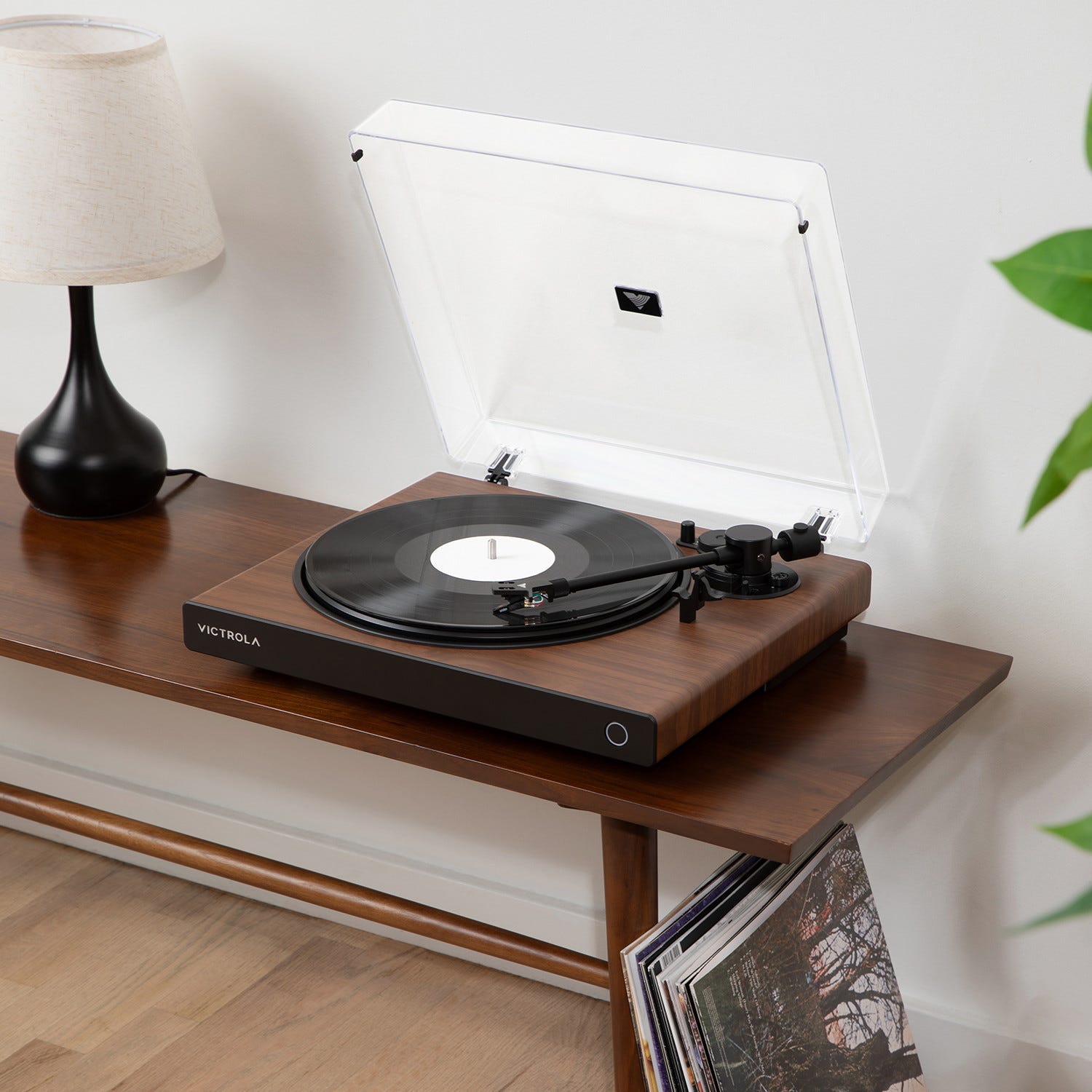
Victrola announced that its Wave turntable is finally available to buy for $499 USD. Admittedly, that’s not a super affordable price for a turntable, but the Wave has a feature that lets you bypass both an amp and wired speakers, if you want. The Wave integrates Bluetooth Auracast — it’s the first turntable to do so.
Regular Bluetooth turntables are nothing new, but with Auracast, the Wave essentially becomes its own radio station, able to broadcast the vinyl playback to an unlimited number of Auracast-capable speakers, headphones, earbuds, and even hearing aids, simultaneously.
Auracast is built on Bluetooth as a wireless technology, but it skips the whole device pairing process. If you have a set of Auracast-capable headphones, like the JBL Tour One M3, accessing an Auracast broadcast is as easy as connecting to a Wi-Fi access point. I’m a big fan of Auracast technology and it’s great to see it finding a home in more products.
I’m definitely not what you’d call a vinyl guy — I don’t even own a turntable — but my understanding is that the Wave manages to side-step some of the criticisms of previous Victrola models.
It has an adjustable counterweight, a removable headshell that makes swapping cartridges easier, and its dust cover can actually be used during playback (as opposed to the made-for-Sonos Victrola Stream Onyx, which has an odd, storage-only cover). And if you’re fussy about pre-amps, you can disable the one that’s built into the Wave and use your own. In other words, you aren’t giving up the things that make the vinyl experience worthwhile to get the latest in wireless convenience.
The 2000s Digital Walkman, reborn
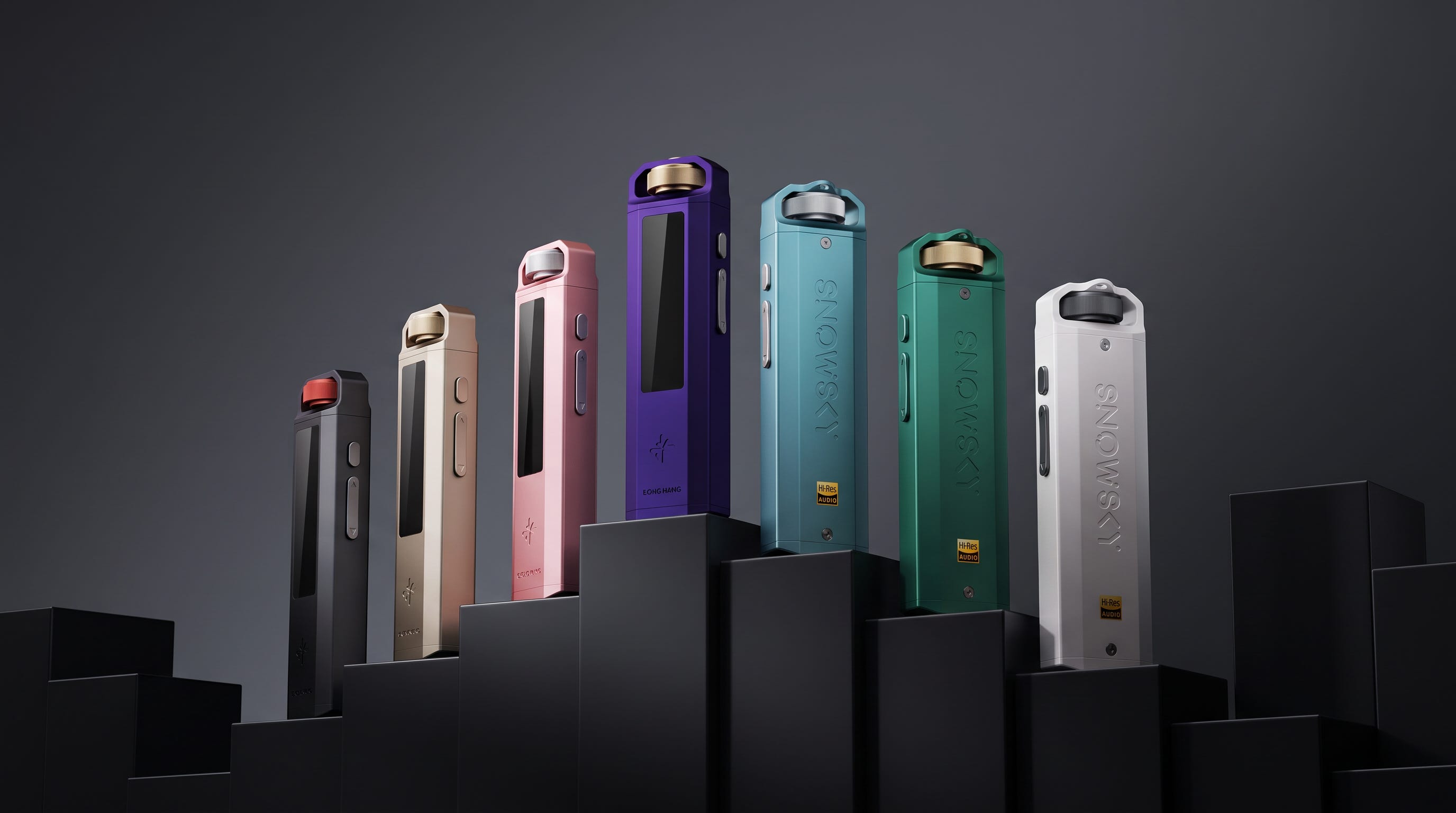
For its part, Fiio officially launched the Snowsky Echo Nano, a sleek and slender aluminum-cased little MP3 player that costs just $50 USD. The Echo Nano deliberately mimics the size and shape of Sony’s popular mid-2000s “lipstick” Digital Walkman, which came in multiple colors and offered a cable-free way to transfer your tunes thanks to the built-in USB connection on the end.
As with those Sony players or vintage iPods, the Echo Nano’s lure is distraction-free (and subscription-free) listening. And, for better or worse, there’s no Wi-Fi or even Bluetooth. You provide your own wired earbuds or headphones. The tiny OLED display looks about as awkward to read as Sony’s, though the large navigation wheel may make it easier to navigate than Sony’s integrated buttons.
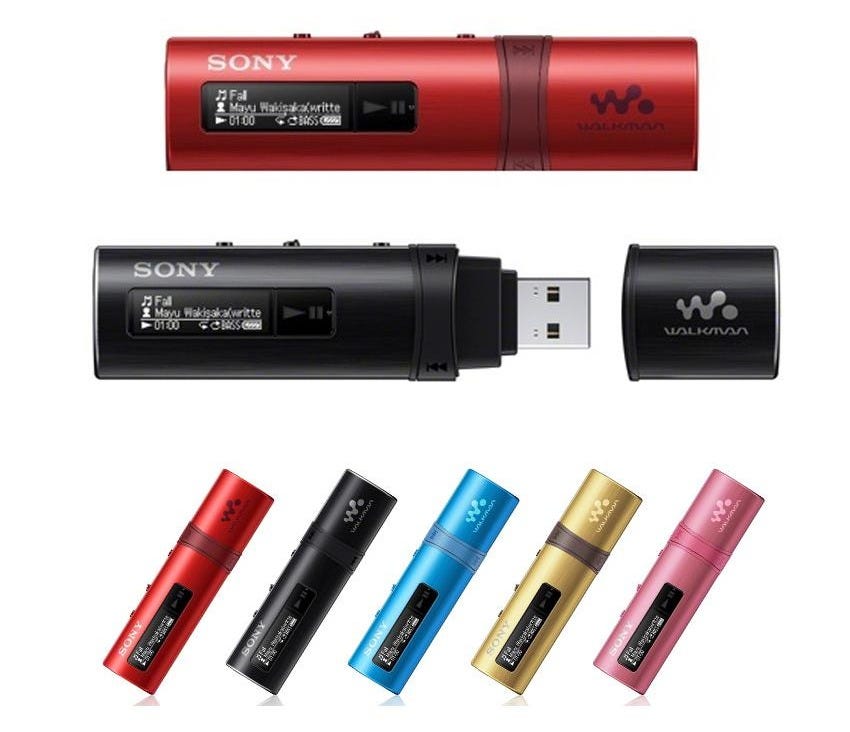
Still, Fiio has thrown in a few extras that make the Echo Nano more than just a nostalgia player. It can handle lossless and hi-res files, including the slightly exotic DSD256 format — Sony’s original was limited to MP3 and WMA — and it has expandable storage up to 256GB via SD cards, whereas Sony’s was stuck at a permanent 4GB. But perhaps more importantly for people who want to use wired headphones or earbuds with their smartphones (which almost never have headphone jacks), you can plug the Echo Nano into any USB-C phone, tablet, or laptop and it will act as a digital-to-analog converter (DAC).
To be fair, the Echo Nano isn’t the first modern MP3 player with these features. In fact, they’re standard fare, with many models going much further.
But the Echo Nano is the first of these I’ve seen to lean into the MP3 player design language that Sony pioneered more than 20 years ago, which I’m guessing still resonates with the people who grew up listening to these devices.
Oddly, it’s not a slam-dunk in favor of the Echo Nano. As old as the Sony Walkman is, it trumps the Echo Nano in two key areas: It has a built-in FM radio, and its battery life of up to 20 hours is way more than the Echo Nano’s paltry 7 hours.
If you enjoyed this Loudmouth article, please consider subscribing. It supports my work and ensures you won’t miss out on future coverage.
I wasn’t aware of Auracast. Thanks for the introduction, Simon.