


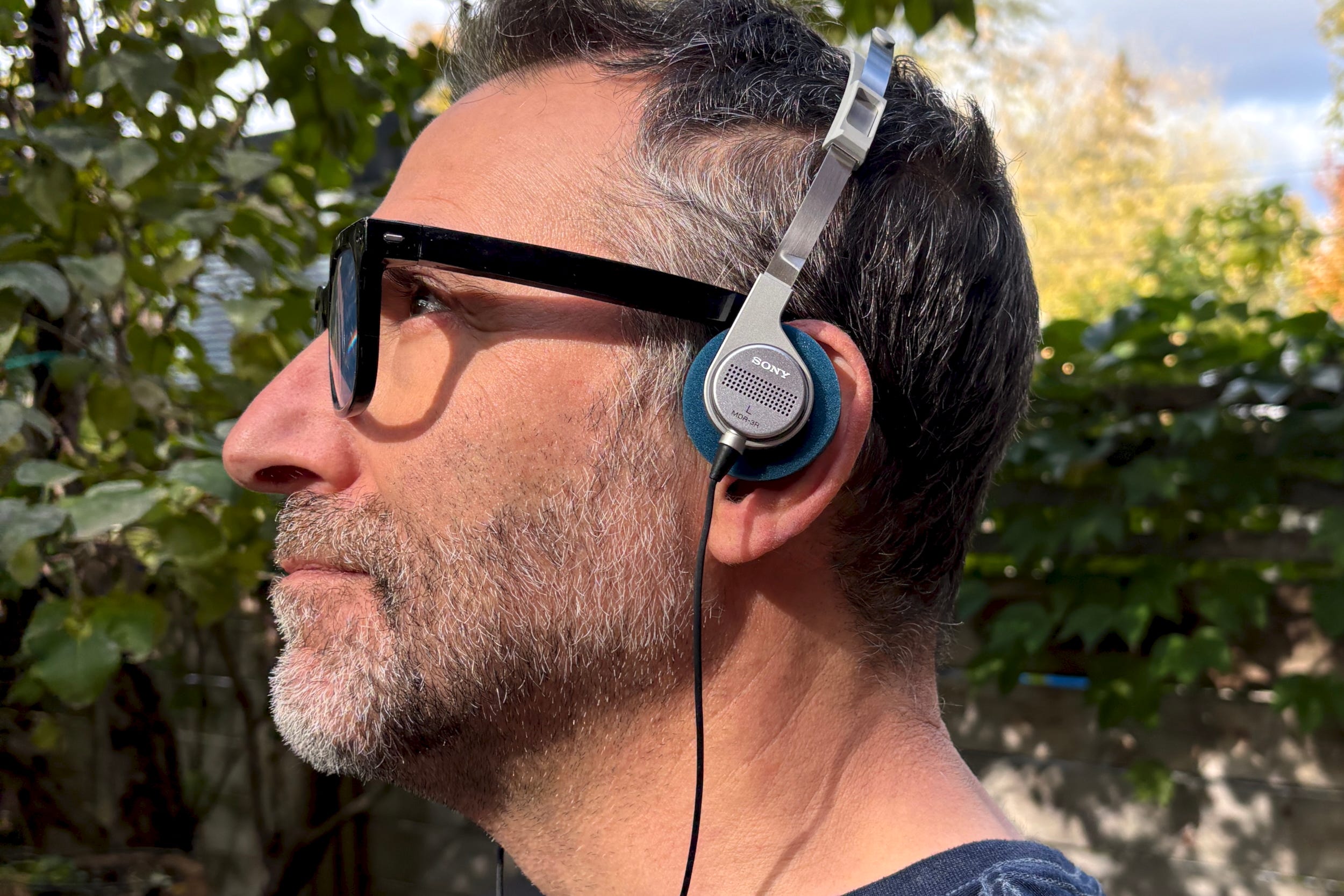
Though it still baffles me from a technological point of view, the current obsession with wired earbuds and headphones is showing no signs of slowing down. Some say the trend began with a 2019 photo of fashion model Bella Hadid wearing Apple’s iconic white wired EarPods. Others say it got a boost after Kamala Harris raised the spectre of Bluetooth hacking.
But when it comes to truly mass-market awareness, it’s hard to overestimate the influence of the Sony Walkman’s starring role in the fourth season of Stranger Things, which debuted in 2022.
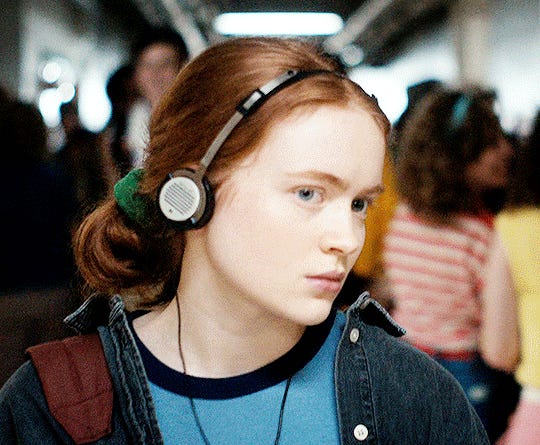
It’s taken four years for Sony to capitalize on that gift-wrapped opportunity, but Sony has now revived the MDR-3L2 — the wired, on-ear headphones that shipped with the very first Walkman model in 1979 — but with a modern twist.
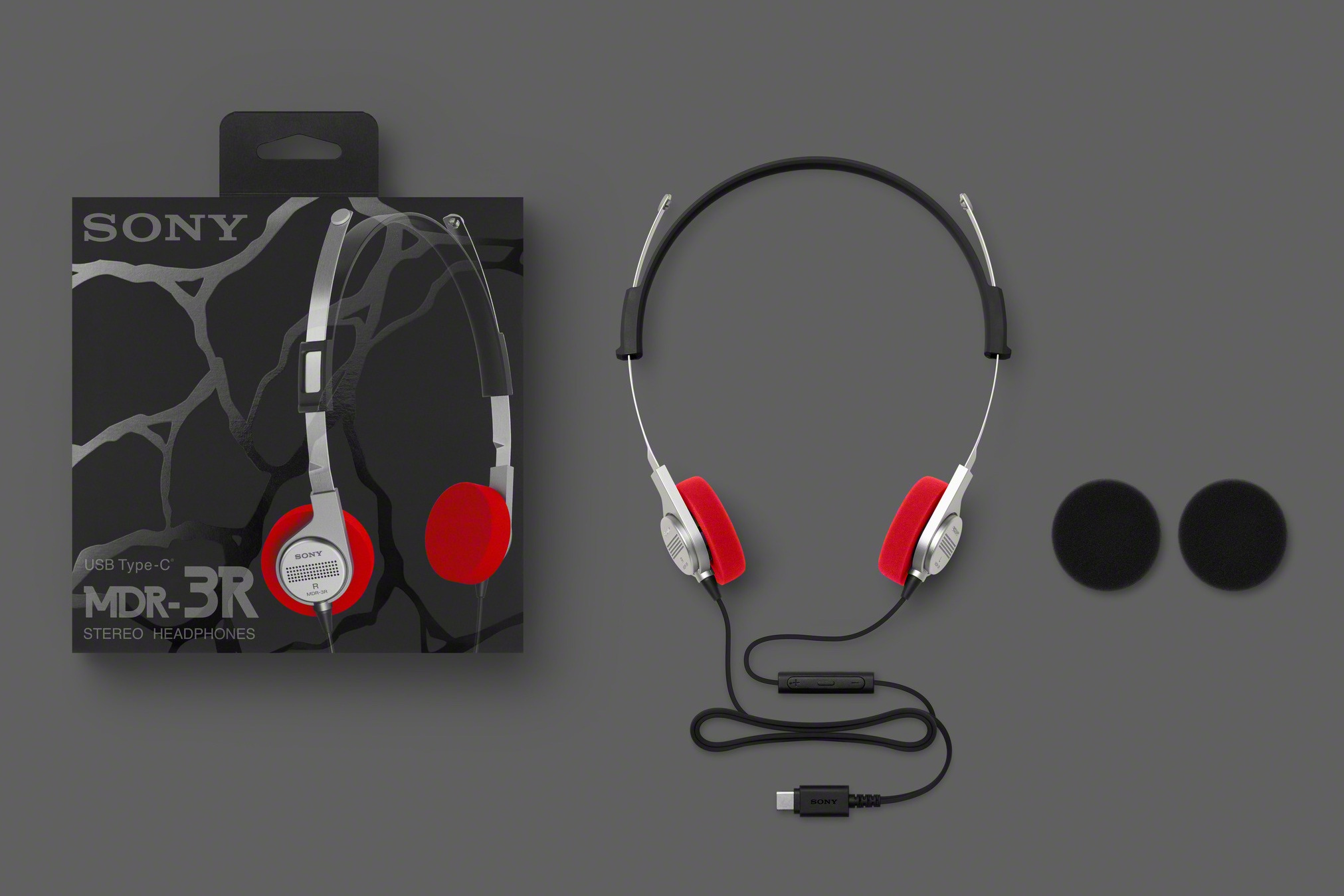
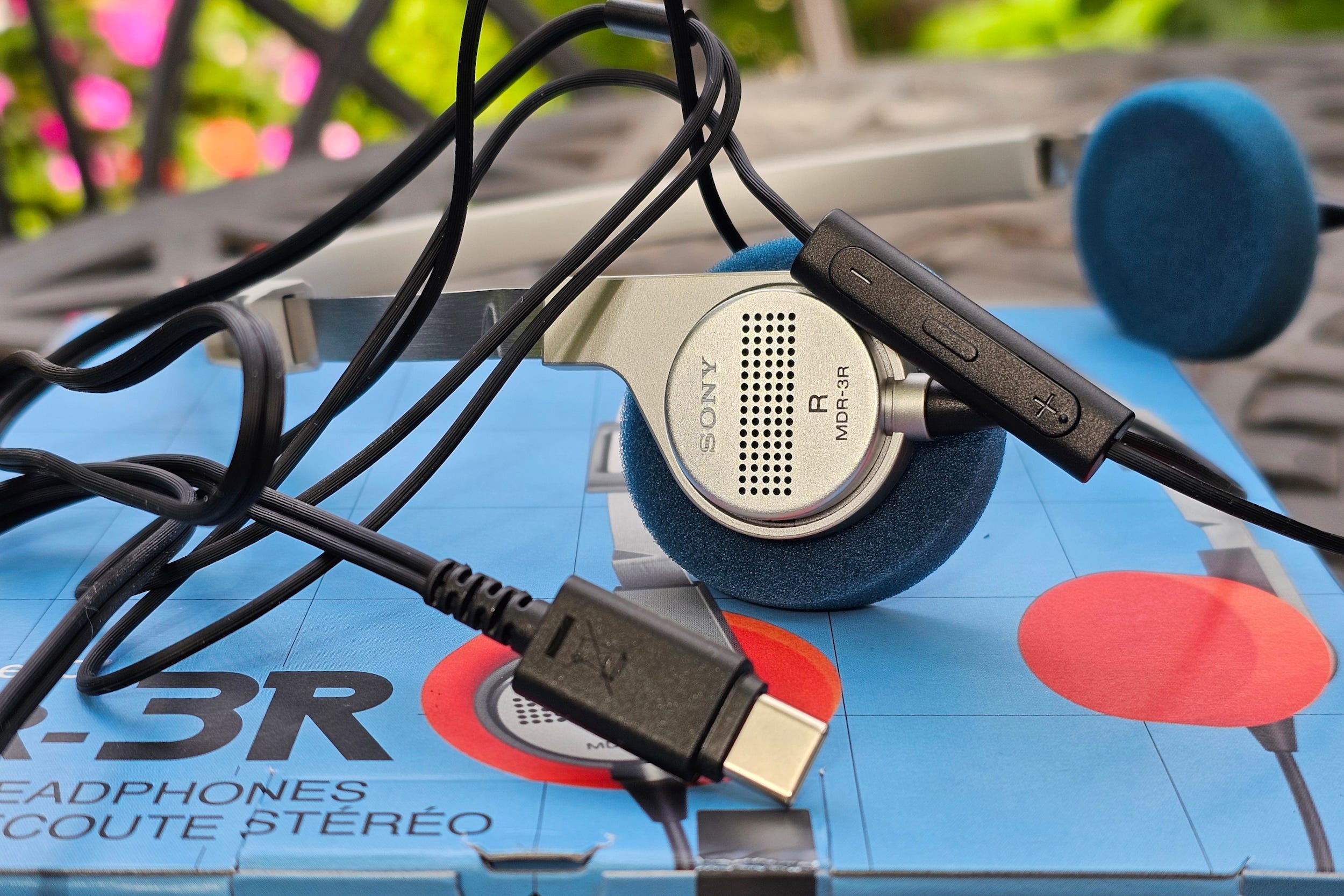
Instead of using a traditional 3.5mm plug, the new MDR-3R ($59.99) headphones use a smartphone-friendly USB-C connection. In a nod to how we all use headphones these days, they include an inline remote-and-mic, so you can take calls and control volume and playback without reaching for your phone.
If you buy through links on this page, I may earn a small commission at no extra cost to you. As an Amazon Associate, I earn from qualifying purchases.
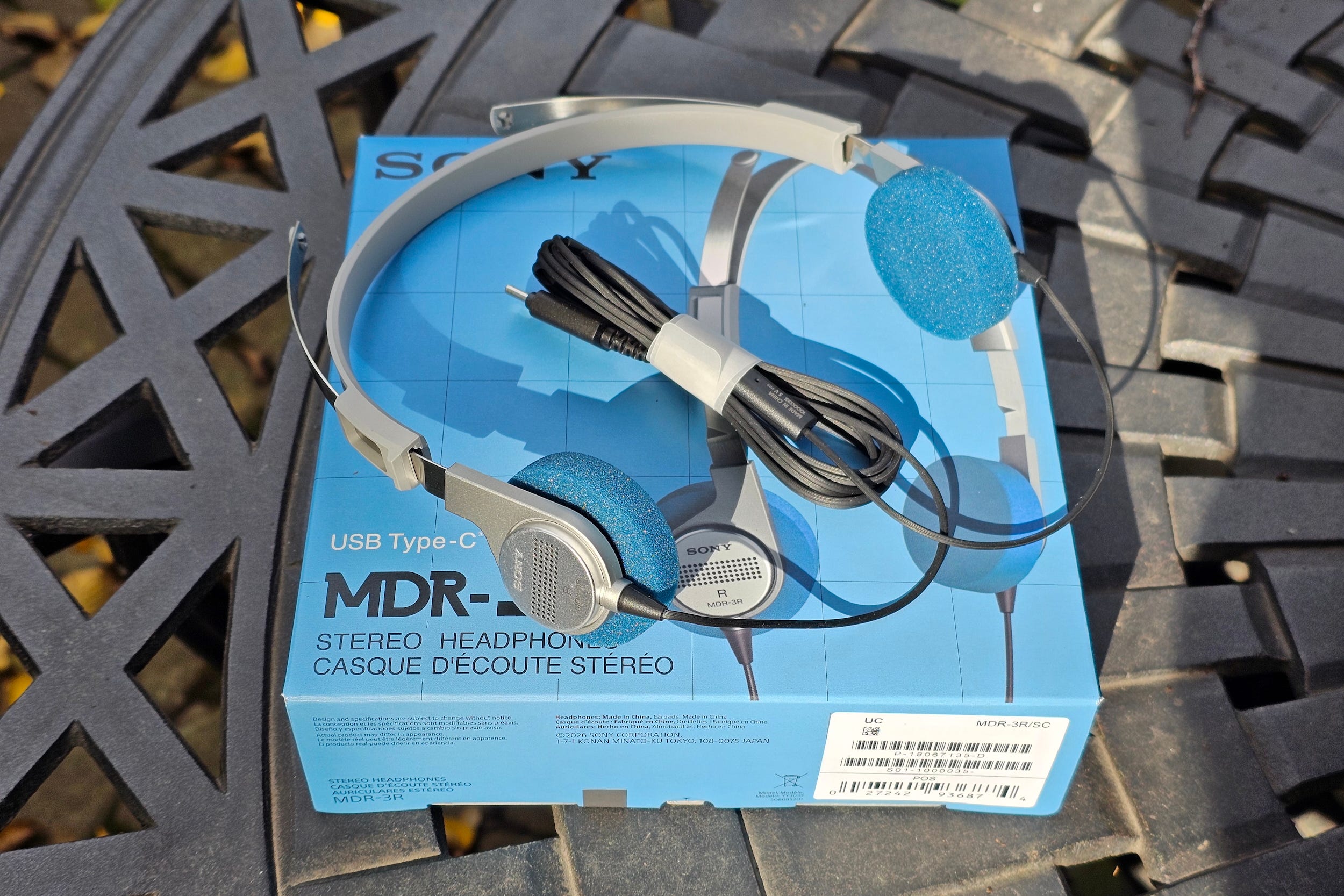
But in almost every other respect, the MDR-3R are the spitting image of the MDR-3L2, right down to the drivers, which Sony claims have been tuned to closely match the sound signature of the original, albeit with a few tweaks “made to suit modern listening preferences.” Sony says it dug into its vaults to unearth the original MDR-3L2 blueprints, which became the basis of the new model.
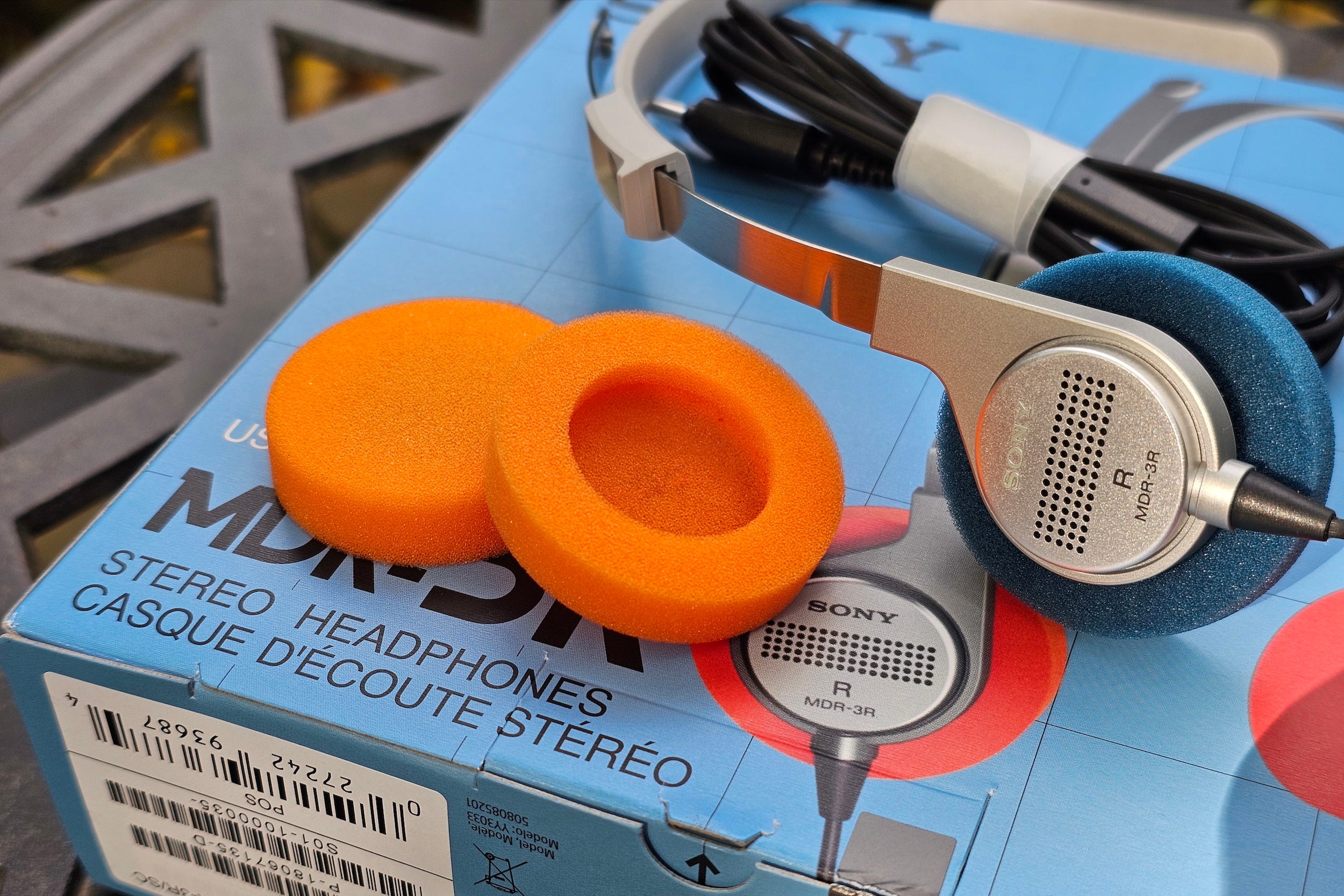
The MDR-3R even ship with two sets of ear cushions: the original blue and the day-glo orange that became a favorite option on later Walkman headphone models throughout the 80s.
Eagle-eyed Stranger Things fans will quickly point out that even though Max Mayfield indeed wore a Sony Walkman WM-8 while famously listening to Kate Bush’s Running Up That Hill on repeat, her headphones were actually a set of Realistic Nova 45, not Sony’s MDR-3L2.
Still, that hasn’t stopped Sony from partnering with Netflix on a limited-edition Stranger Things MDR-3R ($79.99) that features an engraved Stranger Things logo, plus red and black earpads.
Sony was kind enough to send me a set of regular MDR-3R so I could try them. Despite my staunch preference for wireless audio, I can’t lie: Nostalgia is a powerful thing, and I genuinely enjoyed the way these headphones instantly transported me back to 1981, the year I got my first Walkman.
Related:

Things really have come full circle. When Sony released the first Walkman along with the MDR-3L2 headphones, their ultra-small-and-light design stood in stark contrast to the hulking over-ear models of the 70s. And that was the first thing I noticed about the MDR-3R.
On a track like Billie Eilish’s bad guy, the bass bumps, but it doesn’t thump.
At just 1.4 ounces (not including the cable), they’re incredibly light and comfortable. For the better part of the last decade, I’ve been reviewing wireless headphones that weigh six to nine times more. Donning the MDR-3R reminded me that while the wireless, noise-canceling era has given us much, it has also encumbered us with (relatively) massive devices.
The next thing I noticed was the sound.
If you’ve spent most of your life listening via earbuds (whether wired or wireless), you’ve gotten used to sound reproduction that starts very close to your ear canal. If those earbuds have a set of silicone tips, that effect is even more pronounced.
The result is music that sounds intimate, almost as if it’s inside your head. The MDR-3R will inevitably sound less immersive and less intimate. Because the foam cushions provide almost no acoustic seal, bass response is mild at best. On a track like Billie Eilish’s bad guy, the bass bumps, but it doesn’t thump.
Outside sounds can get in pretty easily. And if you crank the volume, there’s a good chance others will hear your music.
I’m not saying the MDR-3R sound bad — I actually really enjoy their balance and detail, which make for a surprisingly satisfying listening experience — but if you’re hoping that somehow the 80s-vintage tech is going to deliver a magical listening experience that modern audio gear lacks, you may be disappointed.
That puts the MDR-3R in roughly the same category as today’s wireless open-ear earbuds — perfect for casual listening and maintaining awareness of what’s going on around you, but they’re not going to extract the most from your music or offer any kind of noise isolation.
The inline remote works well. The buttons are easy to find and have a very positive tactile click when you press them. The mic does a good job of picking up your voice, but there’s little in the way of background noise suppression, so you may need to lift it closer to your mouth in loud environments.
Not that it will likely matter to those who are enamored with the MDR-3R’s retro design, but if you’ve become accustomed to AirPods or any other wireless earbuds, keep in mind that the cable will snag on clothing and other objects, the headphones don’t fold up, and you’ll need to be careful with the
USB-C plug — avoiding strain on that connection will save you an expensive phone repair.
Speaking of the plug, the USB-C connection has an embedded digital-to-analog converter (DAC) that can handle 16- or 24-bit audio, up to 48kHz, which means it should work with virtually any phone, tablet, or computer with a USB-C port — no special software or app needed.
I asked Sony if it had any plans to bring back the version with a 3.5mm analog plug — not at this time.
Given the massive resurgence of interest in de-digitizing our lives in favor of retro tech — eBay’s used Walkman listings are going for as much as $1,150 — perhaps the question I should have asked was, will Sony bring back the cassette Walkman itself?
It might be a long shot, but stranger things have happened.
Transparency promotes trust. Please check out my disclosures page, which describes how I work with manufacturers to acquire product samples, and how I guard my editorial independence.
If you enjoyed this Loudmouth review, please consider subscribing. It supports my work and ensures you won’t miss out on future coverage.
If you buy through links on this page, I may earn a small commission at no extra cost to you. As an Amazon Associate, I earn from qualifying purchases.
Once again, I so appreciate the balanced approach you take to this subject: only mild, inferred (and appealingly dry) judgment, and more a presentation of ‘this will happen, or this: you choose’. Nicely done, thank you.
Although true Gex X nostalgia aficionados know that the true retro headphone champion was the Koss P/19 (orange foam). 😆