


Last week, I covered the vintage iPod trend, with a reminder that these devices require you to do something you may not be familiar with (or may have forgotten about): acquiring your own music files. That’s step 1. Step 2 is transferring those tunes to your iPod. And Step 3? That’s about getting the most out of your library once you own it outright — your files, your rules, no subscription that can reprice or revoke them. It’s an idea I keep coming back to; call it music sovereignty. The best tool for that third step is Plex.

Most people who already know about Plex use it to organize and stream their TV shows, movies, and family videos. It can also manage your music, which kinda makes Plex an iTunes on steroids. One of Plex’s most powerful features is a paid upgrade called Plex Pass. It covers a lot of extras; the one that gets most of the attention is remote access.
Remote access lets you, or your friends and family browse and stream your library of content from anywhere. There’s been a lot of hand-wringing in the tech press over the cost of a lifetime Plex Pass membership. On July 1, it will increase to $750, three times more than the $250 it costs today (monthly and annual subscriptions aren’t changing). That’s a whopper of a price bump.
And if you mostly use Plex for music, you can ignore it: Remote access for music doesn’t need Plex Pass. It’s completely free.
Let me stop here for a moment for those who may be new to Plex. If you’re a Plex prodigy, feel free to skip to the “No Plex Pass, no problem — for music, that is” section.
What is Plex?
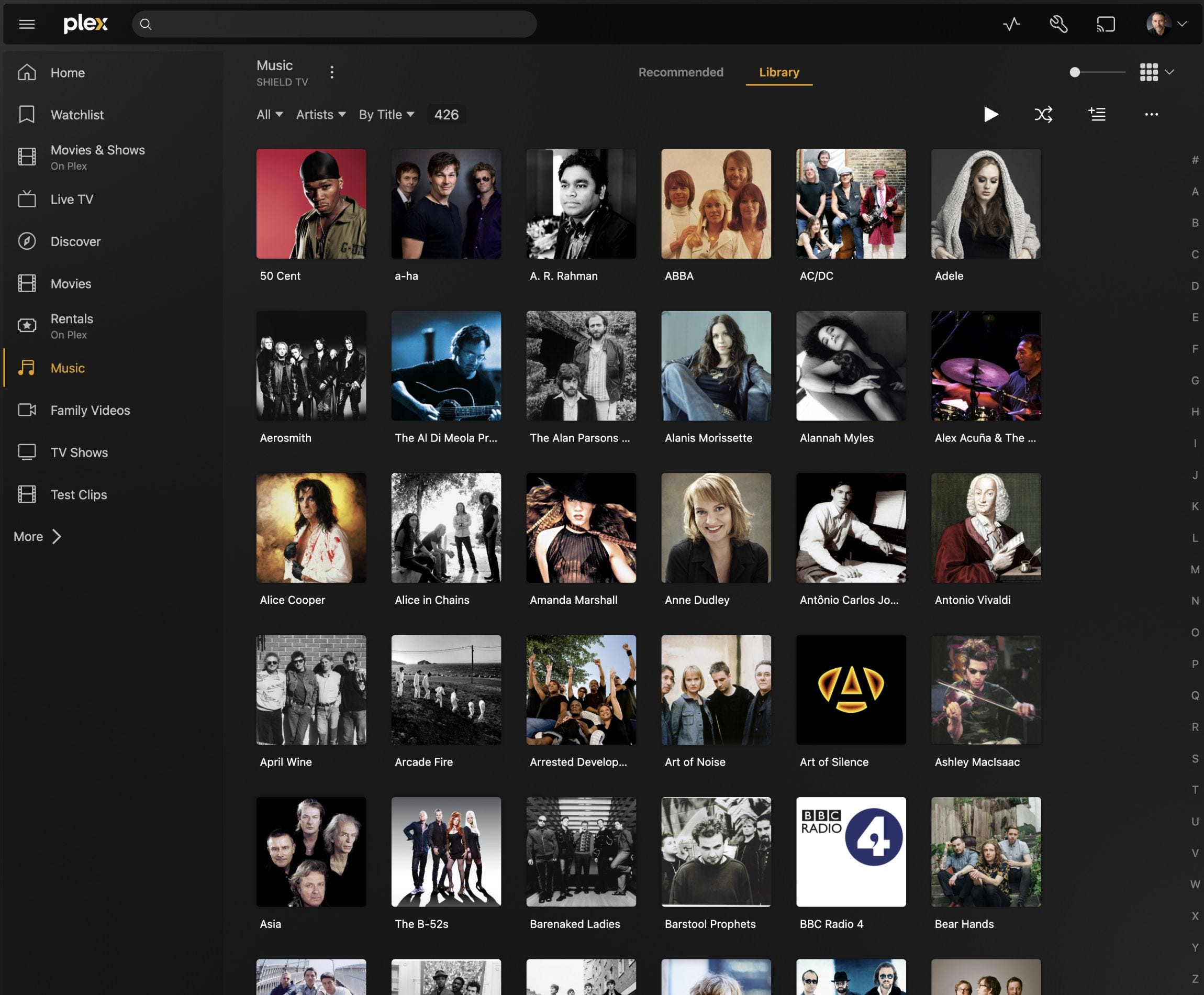
There are two parts to a Plex setup: the Plex Media Server and Plex clients. Once you’ve installed the free Plex Media Server (PMS) on a Mac, PC, or a variety of compatible network devices like network-attached storage (NAS) hard drives, it can automatically scan and organize all of your videos, photos, and music files. If it helps, you can think of it like Apple’s iTunes, but on steroids.
When you want to watch or listen to those files, you use a Plex client — another free app — which gets installed on your Mac, PC, smartphone, media streamer, smart TV … the list is huge. If you have a network-connected screen or speaker, there’s probably a version of the Plex client it can run.
If your Plex server and client are on the same network, say, in your home, the free features are probably all you need.
What is Plex Pass?
Plex Pass is a collection of upgraded features for your Plex setup that requires a one-time or recurring fee. It includes things like being able to skip the opening and closing credits on movies and shows, the ability to use your Plex server as a digital video recorder (DVR) with your free, over-the-air (OTA) TV tuner, and it turns on something called hardware transcoding — geek speak for turbo-charging your setup to ensure your movies and shows play back at the highest possible quality your gear can deliver.
And then there’s the remote access aspect I mentioned above. Your iTunes on steroids is now your own private Netflix.
No Plex Pass, no problem — for music, that is
Even Plex mavens may not realize that Plex servers treat music and photos differently from videos. To access videos remotely, a valid Plex Pass is required by at least one party (the server owner, or the person running the client). But you can share your photos and music collections without paying a dime — no Plex Pass required.
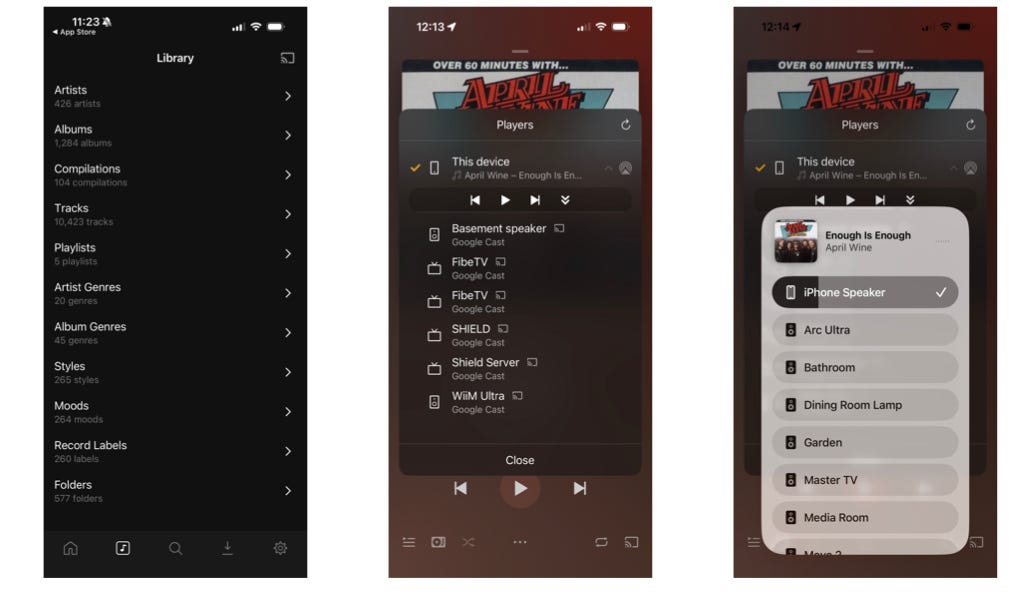
For music, you can use the general Plex client or the Plex web app, but the power move is to download the free Plexamp app for either Android or iOS. Because Plexamp can only access music (you won’t even see your photos or video libraries), it’s a way better experience for browsing and listening. You aren’t even limited to listening on your phone. On Android, Plexamp works with Google Cast and Android Auto. iOS users get Google Cast too, plus Apple AirPlay and CarPlay.
Power users and nomads may still want to pay
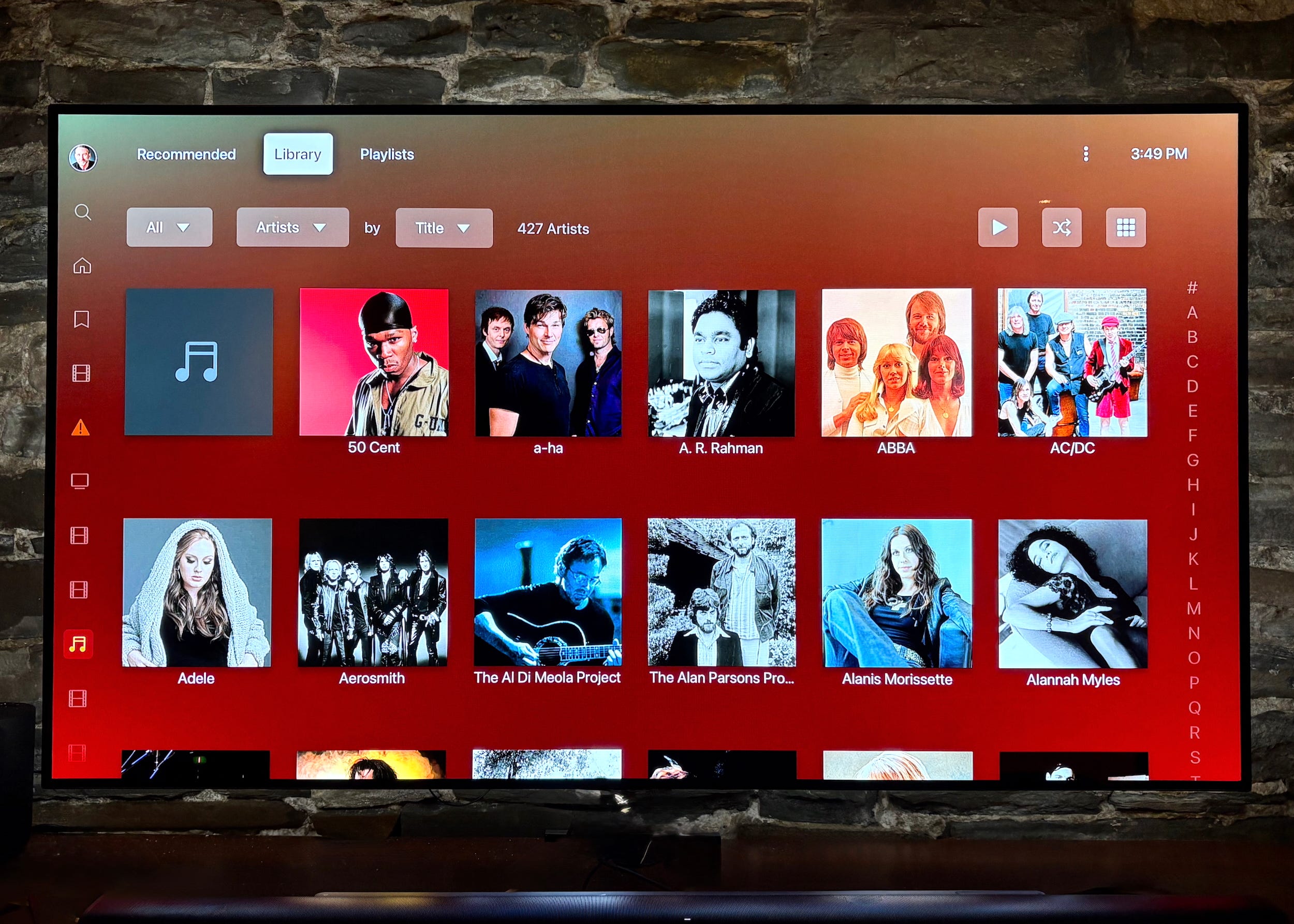
Plex’s free music features give you lots to work with. Gapless playback, loudness leveling, smart playlists and stations, and Siri compatibility are all included. Still, for some users, it may make sense to upgrade.
Plex Pass adds advanced features like artist and album mix builders, sonically similar artists/tracks/albums, related tracks, lyrics, a ten-band equalizer, and, perhaps the biggest draw for those who regularly find themselves beyond the reach of cell networks: downloads for offline playback. Here’s Plex’s full comparison of free vs. paid Plexamp features.
If Plex Pass sounds like what you need, but you don’t want to add another subscription to your wallet (after all, music on Plex should be about freeing yourself from forever payments), the imminent lifetime price increase means the time to decide is right now. $250 may be hard to rationalize, but $750 is much harder. Monthly or annual payments that go on forever and can increase in price at any time? No thanks.
A platform for people who hate platforms
Jumping on the vintage iPod trend is a great way to mindfully leave subscription streaming services and re-assert control over your music. But true music sovereignty means being able to enjoy your music on your terms on any device, not just a retro portable. That’s where Plex shines.
It keeps, organizes, and streams the music you own, from anywhere. It also integrates with products you might already own, like Sonos, Wiim, and Amazon Alexa (via the Plex Skill). And if you already own a machine that can run the Plex server, there’s no additional cost. That sounds like a lifetime commitment most people can live with.
Do you use Plex to manage your music? If so, what do you love/hate about it? Let me know in the comments.
If you enjoyed this Loudmouth article, please consider subscribing. It supports my work and ensures you won’t miss out on future coverage.
I'm glad I have a lifetime plex pass from 2018