


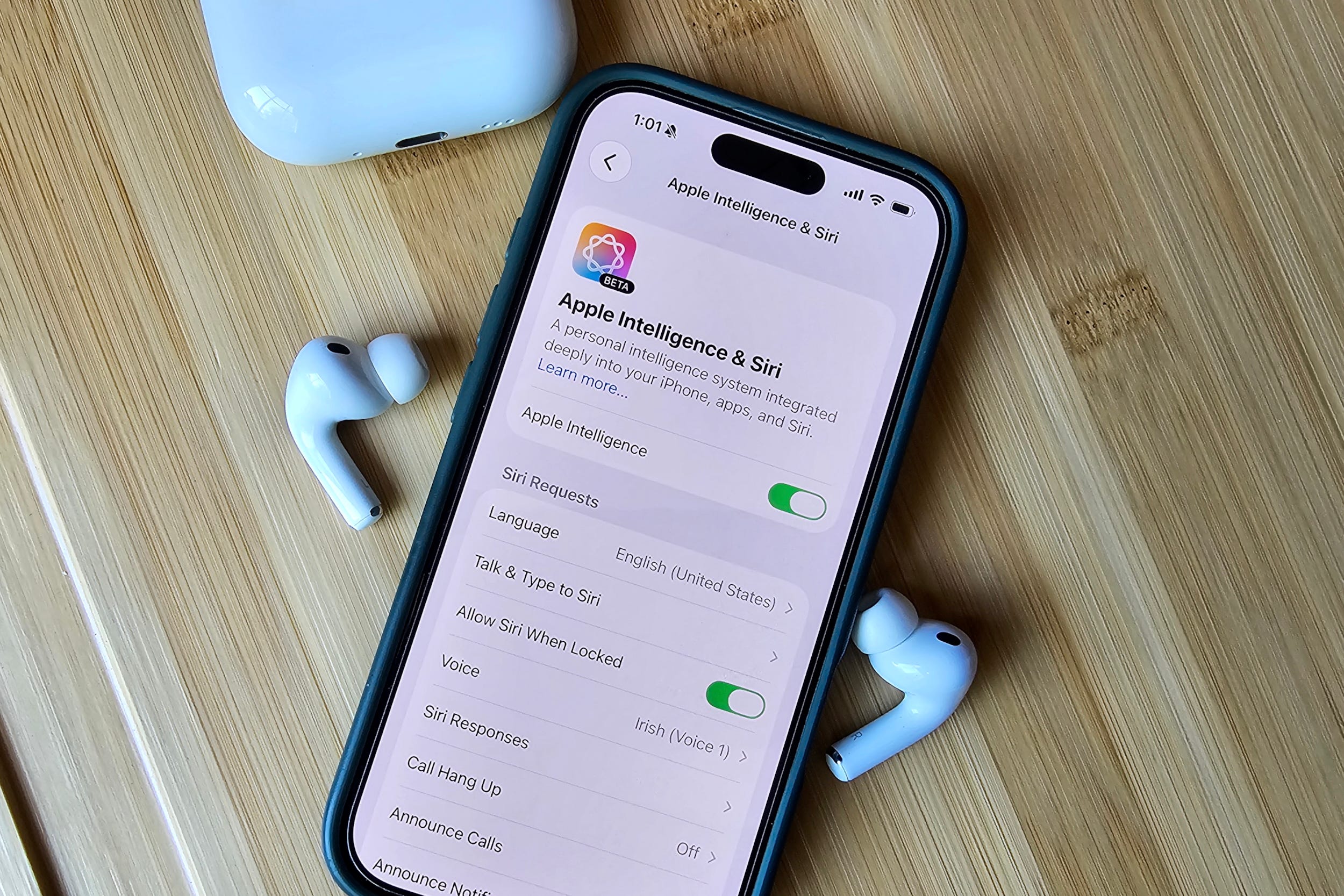
Apple is notorious for launching new technologies long after its competitors, and famous for turning those late-to-the-party efforts into smash successes. MP3 players. Smartphones. Wireless earbuds. Tablets, and smartwatches. Apple wasn’t first to make any of them, and yet today, Apple’s versions are so dominant, their product names have come to represent their respective categories.
The key to Apple’s slow-and-steady-wins-the-race approach is that it waits patiently on the sidelines until it can introduce a product that’s integrated with Apple’s entire ecosystem, thereby increasing value and often, simplicity.
Knowing that, I too have been patiently waiting on the sidelines — for Apple to introduce its first set of truly open-ear AirPods. When Tim Cook kicked off his WWDC 2026 keynote by introducing the next version of Siri, I thought for sure he’d use the opportunity to launch them. It didn’t happen, and I’m beginning to wonder if it ever will.
Why open-ear earbuds are the natural choice for ambient computing


The keynote debuted Siri’s long-awaited upgrade: Siri AI. It’s the personal component of Apple Intelligence; a much more powerful and conversational version of Apple’s 16-year-old voice assistant. Throughout the keynote, Apple execs interacted with Siri by speaking out loud, and then getting a mix of text and spoken responses from their iPhones.
That’s perfect for a demo, but realistically, no one is going to want Siri to respond through their phone’s speaker, especially when in public. Open-ear wireless earbuds are the obvious solution. They can be worn all day with almost no discomfort and they don’t rely on a battery-intensive transparency mode to let you hear your surroundings.
There’s been some debate about this. Some observers worry that open-ears leak too much sound, which could pose privacy concerns. Others say the mics can’t sufficiently differentiate between your voice and background noise.
My personal experience with the most recent generation of these devices (e.g. Shokz’s OpenFit 2/OpenDots 2, and Baseus Inspire XC1) suggests neither are serious challenges that can’t be overcome (especially when you’ve got Apple’s level of R&D budget).
And yet, Cook and company were silent on the AirPods front, save for a split-second mention of new EQ controls coming in iOS 27 this fall.

The cameras are coming
Instead of going open-ear, Apple appears to be doubling down on the existing AirPods Pro 3 design.
The next generation of AirPods Pro, which are set to be released in 2027, according to Bloomberg’s Apple expert, Mark Gurman, will be equipped with tiny cameras. Those cameras are expected to help with “Visual Intelligence” — one of the other core features of Apple’s AI platform.
It makes sense: the more Siri can understand about your environment, the better it will be able to answer your questions and provide help.
Gurman says the cameras will live in the AirPods’ stems, which will likely need to be elongated to accommodate them. If that’s the case, it’s potentially another nail in the open-ear coffin. Neither of the current dominant open-ear shapes (over-the-ear hook, and around-the-side clip) possess stem-like projections and it’s not clear if they could be easily added.
The comfort conundrum
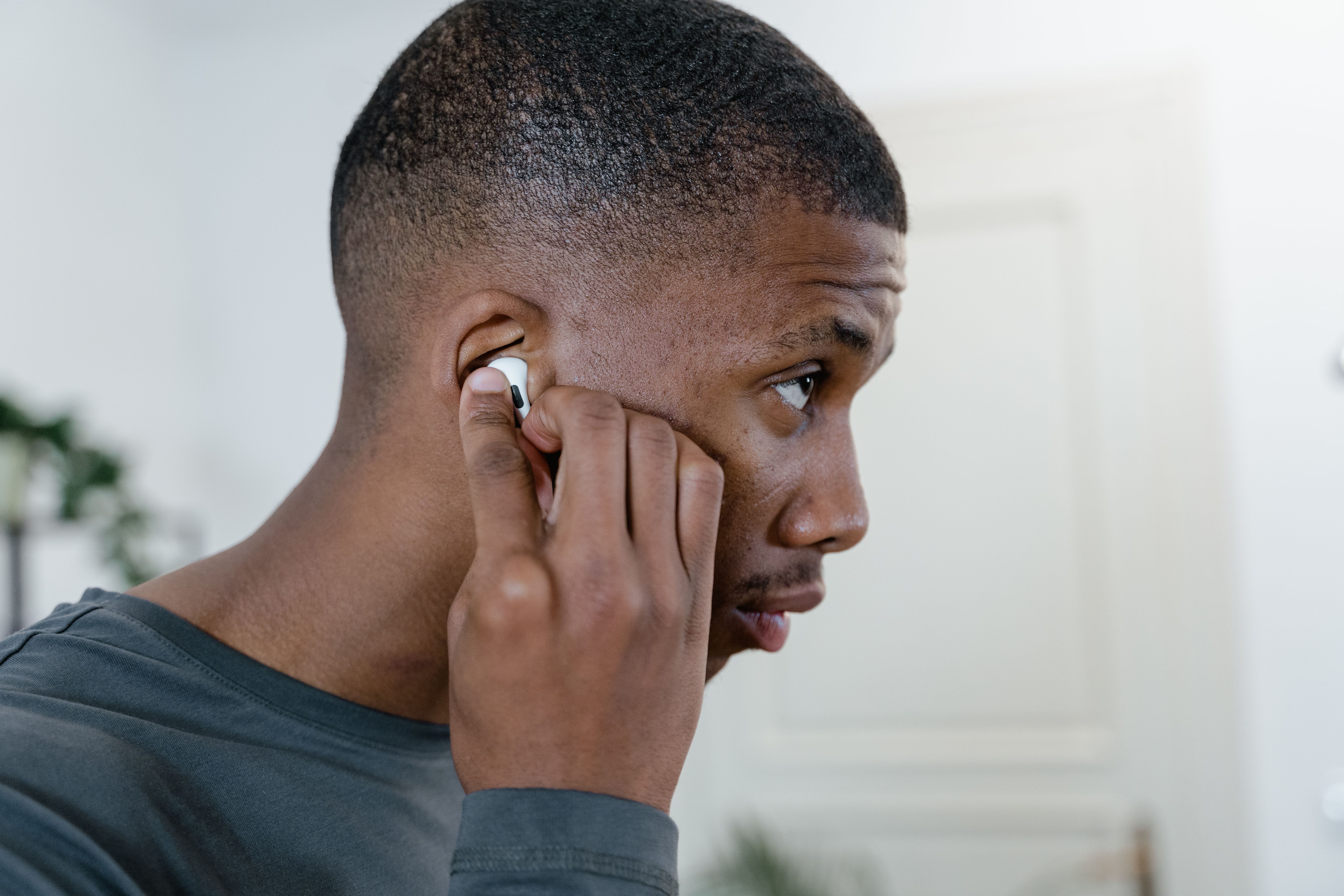
Hard data on the comfort and fit of any wireless earbuds is hard to come by. However, thanks to the popularity of Apple’s AirPods Pro, discussion forums like Reddit and Apple’s own support site can provide a non-scientific snapshot.
Though most buyers find the AirPods Pro comfy, a significant minority of users experience discomfort. It’s not hard to find anecdotal statements like “they press too hard against the inside of the ear canal,” or “they seem just to not fit my ear, the problem doesn’t look to be in the tip, but in the shape of the earphone itself.”
To be clear, this is not an AirPods Pro-specific issue. Any earbuds that use silicone tips to create a seal against the ear canal will be less comfortable over time. Pressure, itchiness, and just the sheer amount of contact between your skin and the plastic housing creates fatigue and discomfort.
For many Apple fans, the more comfortable alternative has been the company’s non-pro AirPods lineup, now in its fourth generation. They don’t use silicone eartips, which gives them a gentler feel.
When “open-ear” isn’t truly open
Part of the reason Apple hasn’t introduced a set of open-ear earbuds is that, according to its own marketing language, it already has. Apple refers to the non-pro AirPods as an “open-ear design,” a description I strongly disagree with.
All regular AirPods, from the original in 2016 to the current AirPods 4 and AirPods 4 with ANC, partially block your ear canal. They don’t seal it like the AirPods Pro, but neither do they let outside sound pass through your ear unrestricted, and you can hear the difference that makes. When you’re wearing a true set of open-ear earbuds, it’s nearly impossible to tell based on how the outside world sounds. Your voice and those of others remain totally clear, as does your ability to determine the direction and proximity of other sounds.
Apple’s big opportunity: the best of both worlds
I firmly believe that open-ear earbuds are going to be a better solution for the always-on AI future that Apple’s new technologies will herald, but I also acknowledge open-ear’s traditional weakness: No ANC.
The reality is, as much as we want to maintain situational (and conversational) awareness throughout the day, there are also plenty of times when we want to shut the world out. Without a way to seal the ear canal, open-ears have made little progress on noise cancellation.
However, Apple has shown that more can likely be done. The AirPods 4 with ANC are the proof. They don’t seal the ear canal, yet their noise canceling mode is surprisingly effective. Can Apple accomplish a similar feat with a truly open design? I don’t know, but if anyone can, it will be Apple.
Former Wall Street Journal personal tech columnist, Joanna Stern, recently spent a week with the revamped Siri AI. There were still plenty of road bumps, but overall, she came away impressed, noting that, “For the first time it feels like Apple has the AI foundation it needs for its future.”
What it doesn’t have are the right earbuds for that future. Let’s hope Apple is open to a new type of AirPods.
If you enjoyed this Loudmouth article, please consider subscribing. It supports my work and ensures you won’t miss out on future coverage.
Disclosure: If you buy through links on this page, I may earn a small commission at no extra cost to you. As an Amazon Associate, I earn from qualifying purchases.