


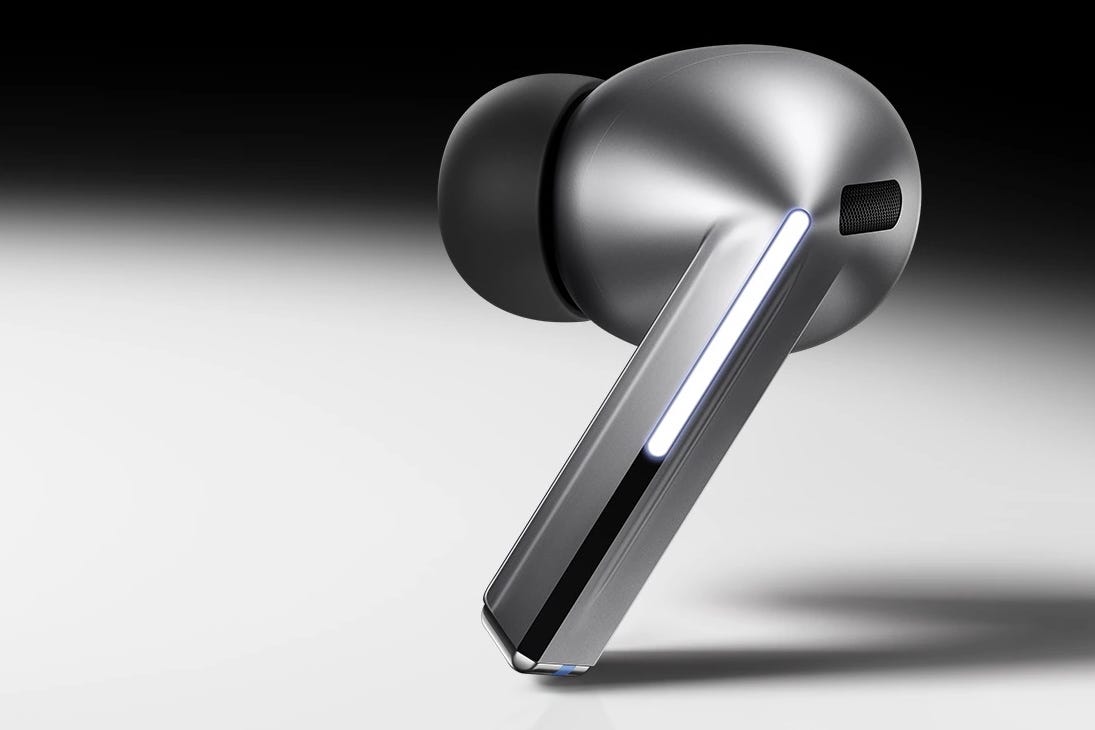
In 2024, Samsung launched the Galaxy Buds 3 Pro, a set of noise-canceling wireless earbuds that drew immediate comparisons to Apple’s AirPods Pro, mostly because the two products looked so similar, right down to the charging case shape and the squeeze-to-click sensors on the stems.
But they also included a feature no Apple earbuds had ever possessed: “blade lights” — razor-thin, white LEDs that took up the top half of the stems.
There’s a lot you can do with earbud LEDs. They can indicate when you’re on a call — Jabra’s Evolve3 85 headphones do this — or conversely, indicate when you’re in transparency mode and able to hear and talk with people.
Critically, they can be used to indicate when earbuds are being used to record audio.
Samsung’s blade lights weren’t used to indicate any of these modes, despite requests from users to do so. Then, with the 2026 introduction of the Galaxy Buds 4 Pro, suddenly the LEDs were gone, and no was explanation given.
That decision may come back to haunt Samsung, much like the lack of indicator LEDs on virtually all other wireless earbuds is about to be a serious problem for the industry. To understand why, we need only look at Meta.
Consent has become a casualty
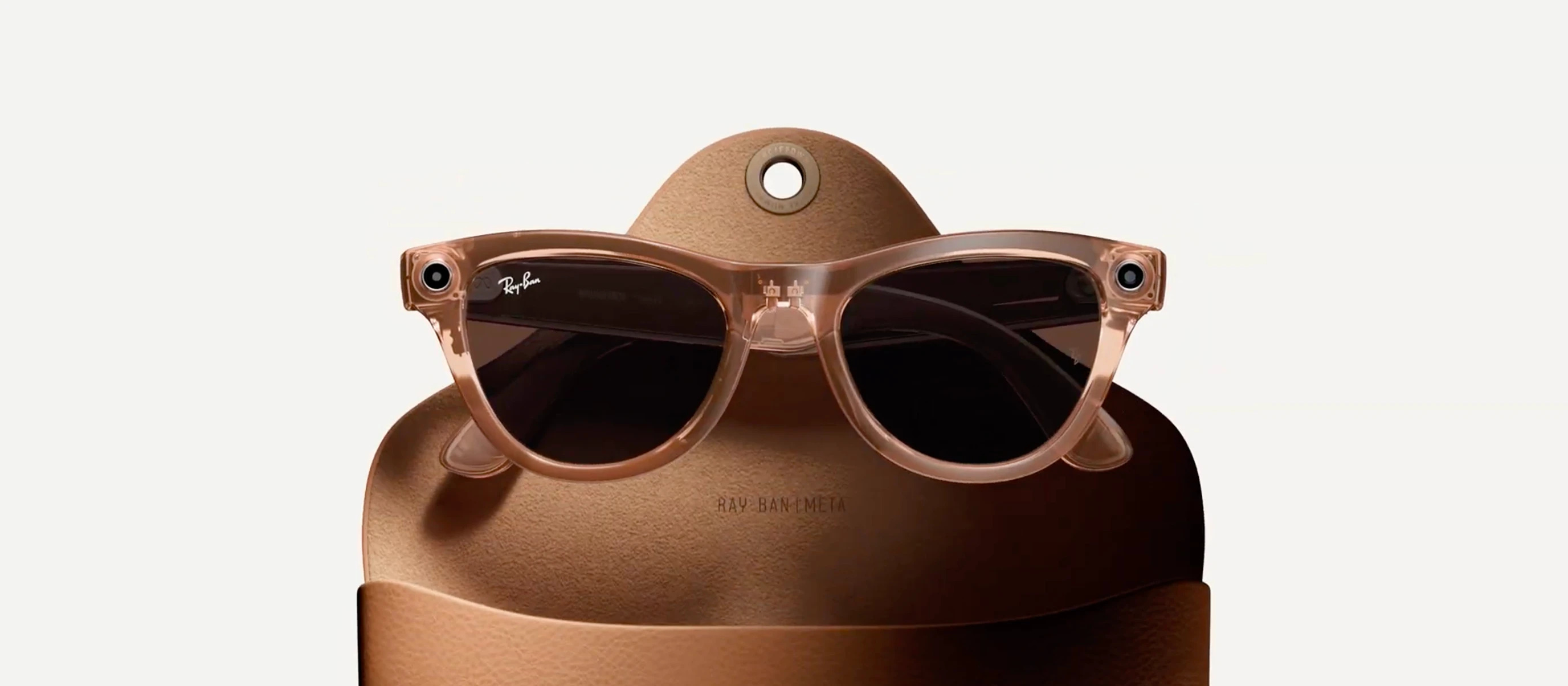
Meta (the company that owns Facebook, Instagram, and plenty of other social media services) has been in hot water lately over how its popular Ray-Ban Meta smart glasses have been used to record people without their knowledge or consent.
The issue is how easy it has been for owners of these glasses to defeat the little LED indicator that’s supposed to turn on when recording begins. Without that telltale — the visual equivalent of the shutter sound on a smartphone camera — there’s no way to know you’re being filmed.
I highly recommend Becky Scarrott’s in-depth report if you want to learn more.
Real harm has been caused, according to reports from the BBC. So why don’t wireless earbuds have any indicators at all?
On the record
It’s true that, at the moment, few earbuds on the market are designed to capture and record ambient audio — the built-in mics are mostly used for calls. But the future will look different from the present.
Viaim’s RecDot earbuds are a perfect example. They can capture calls, perform real-time translation, and record in-person meetings. If you use the included charging case to initiate these recordings, a participant might notice the recording indicator on the case. But if you don’t have the case with you, you can use the RecDot’s squeeze-to-record gesture on the earbuds — there’s no visible indicator that recording is in progress.
I thought that was bad until I realized how easy it is to record a conversation using any earbuds. Using a set of AirPods Pro 3, I hit record inside iOS’s Voice Memos app and strolled into the kitchen to have a conversation with my wife. From four feet away, her voice was almost as clear as mine. If I hadn’t prepped her beforehand, she would never have known.
Better to ask permission
The inconvenient (but far more ethical) truth is that recording indicators should be a mechanism of confirmation, not authorization.
Expecting someone to see an LED, whether on a set of earbuds or glasses, and then awkwardly say, “please stop recording me,” is not very civil. And in some cases, not at all legal.
I live in Toronto, Canada, a place with very lax recording laws. Not only am I free to record in any public space without gathering consent from those around me, but I’m even allowed to record someone I’m talking to in-person or on the phone without their consent. It’s a one-party consent jurisdiction, and the only rule is that I must be one of the participants in the interaction. I can’t record two other people without getting at least one person’s consent.
Things are very different in a state like Florida, which is a two-party (sometimes called all-party) consent jurisdiction. You can still record in public, where there's no expectation of privacy, but in a small group or one-on-one, recording without consent is against the law and can carry severe penalties, and no, a tiny recording indicator LED isn’t likely to be seen as a substitute for that consent.
Indicating action
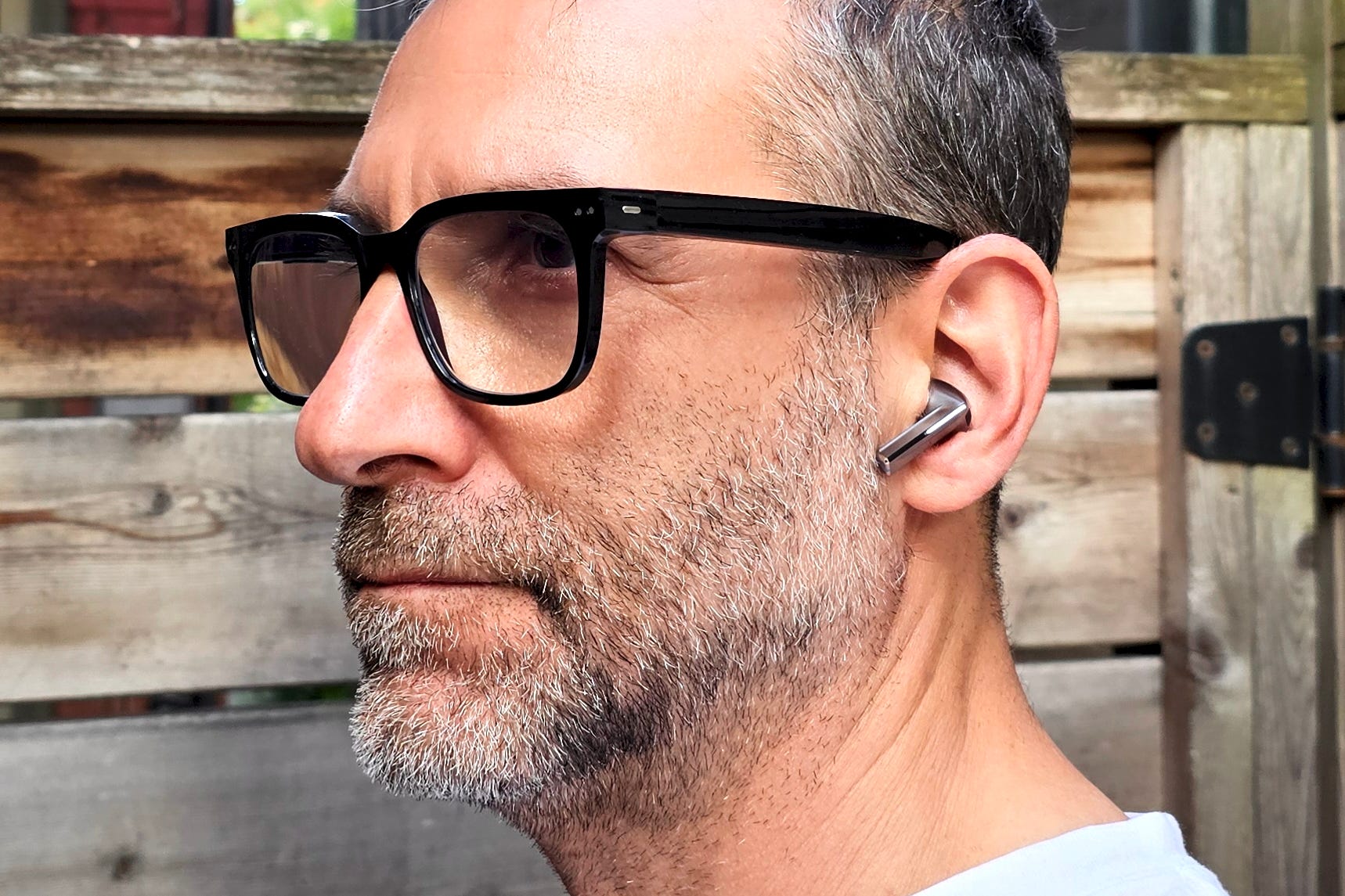
Getting consent is the right thing to do. But even if consent is given, a visual reminder of an ongoing recording is a good idea. It’s a standard feature in communication apps like Zoom, Teams, and Webex, so why shouldn’t it exist in the real world, too?
Which brings us back to Samsung’s abandoned blade lights.
I don’t know why the company ditched them. Maybe it’s because their sheer lack of utility meant that few people used them. An informal Reddit poll of Buds 3 Pro owners found nearly three-quarters said they rarely or never used the blade light.
But it certainly gave up a potentially powerful privacy tool right at the moment when we need it most.
If the Ray-Ban Meta fiasco has taught us anything, erring on the side of more recording awareness is never a bad thing.
It’s a lesson for an entire industry.
If you enjoyed this Loudmouth article, please consider subscribing. It supports my work and ensures you won’t miss out on future coverage.